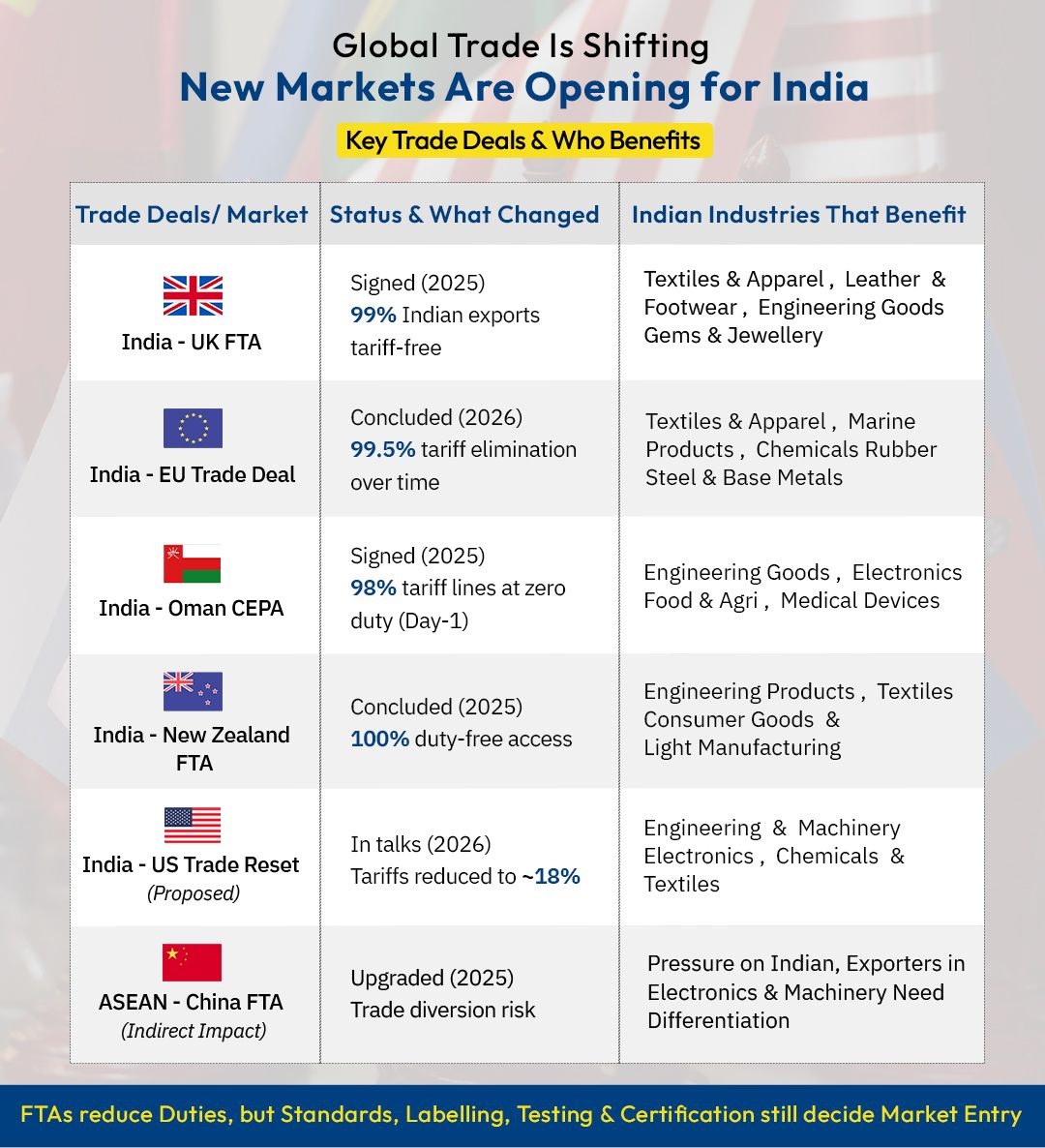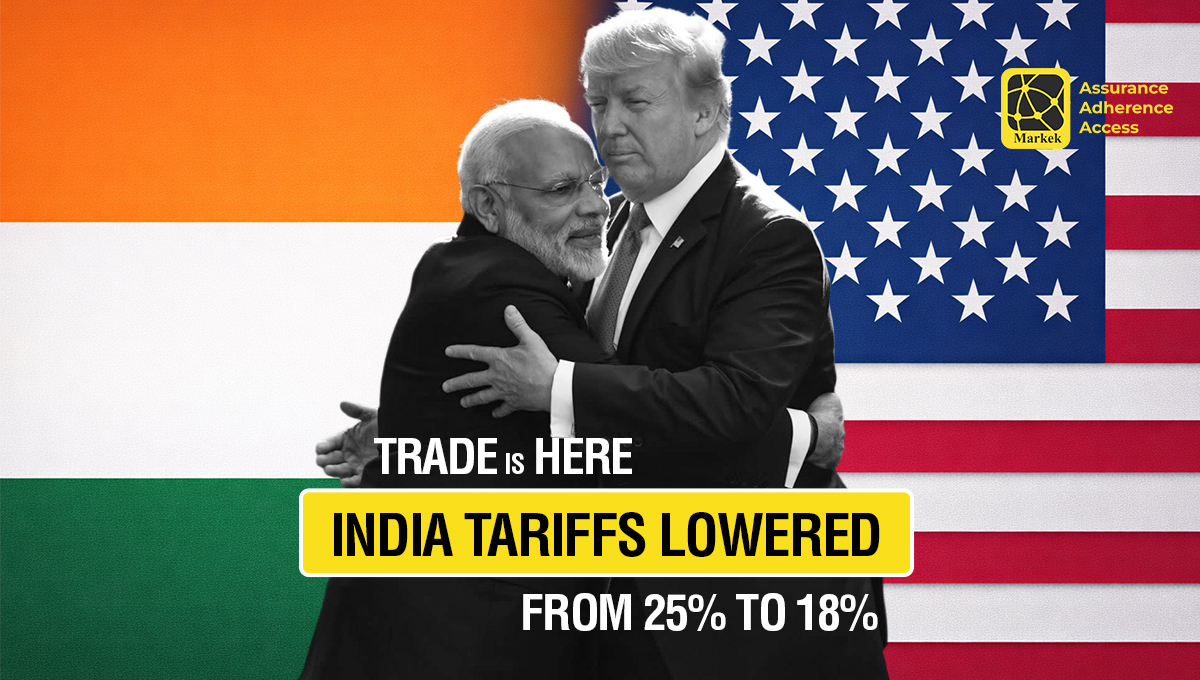
In today’s rapidly evolving global trade landscape, new FTA agreements are being celebrated as historic opportunities for Indian exports. From the UK and EU to the US and the Gulf region, India is securing stronger trade partnerships that promise lower tariffs and improved market access.
But here’s the truth most exporters discover only after months of frustration: an FTA announcement doesn’t automatically translate into export success. Tariffs may reduce, but compliance, certification, and regulatory standards remain the real gatekeepers.
Market access is not a policy announcement. It is a process.
The FTA Illusion: Tariff Cuts Are Only Step One
Free trade agreements create opportunity, but they do not remove complexity.
When governments announce reduced import duties under an FTA, headlines celebrate. However, exporters quickly realize that:
- Technical standards still apply
- Country-specific certifications are mandatory
- Testing procedures can delay shipments
- Labeling requirements differ
- Documentation scrutiny increases
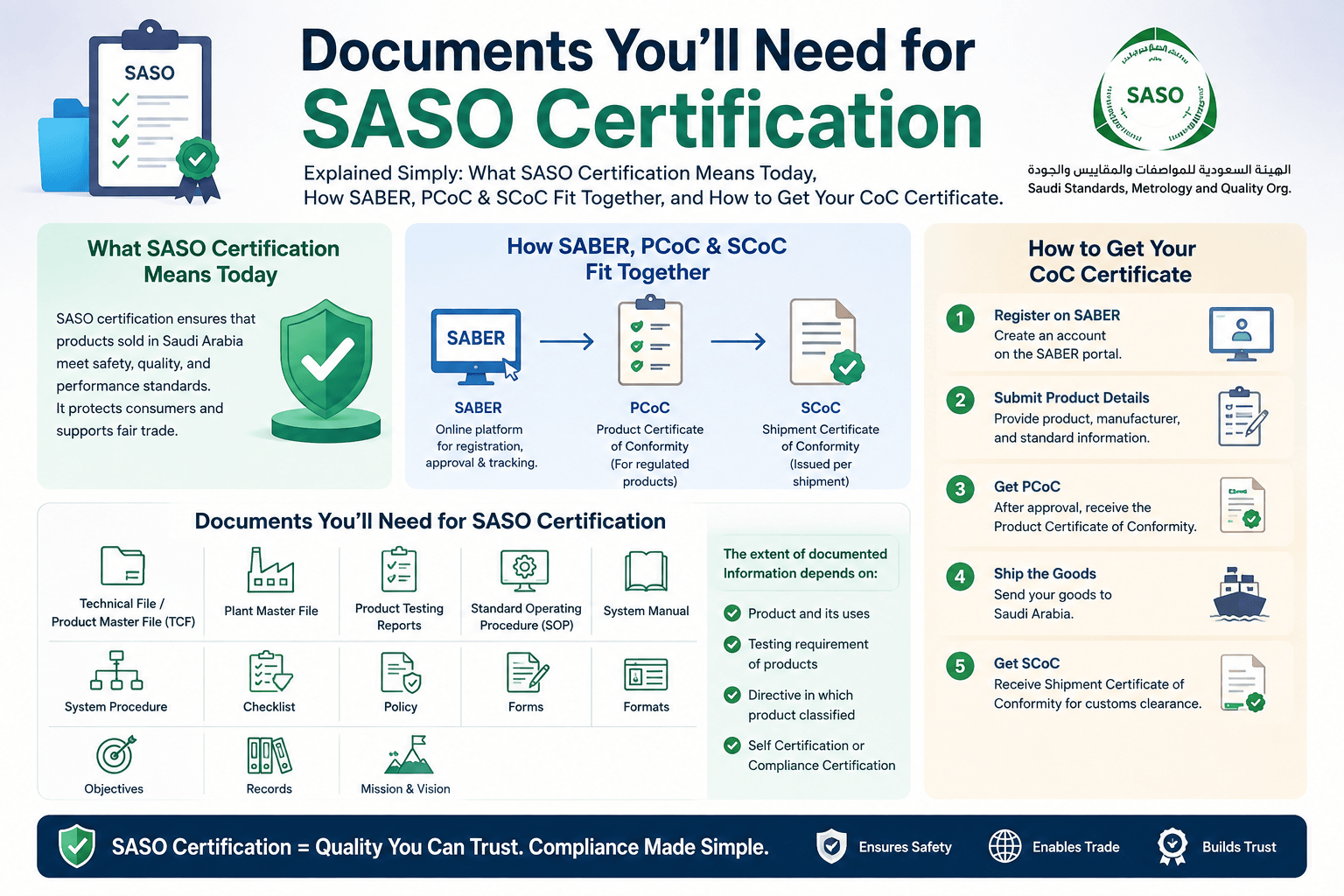
For example, exporting to the European market may require CE marking. Entering the US may demand FDA approvals for certain products. The Gulf markets often require specific conformity assessments and registration under regional authorities.
An FTA reduces tariff barriers—it does not eliminate non-tariff barriers.
Market Access Is a System, Not a Shortcut
True market access involves structured planning. It includes:
1. Regulatory Mapping
Understanding the destination country’s technical, safety, environmental, and labeling requirements.
2. Certification & Testing
Aligning products with international testing standards and obtaining required certifications.
3. Documentation Alignment
Ensuring invoices, declarations, and product classifications meet customs expectations.
4. Ongoing Compliance Monitoring
Trade regulations evolve. Maintaining compliance is not a one-time task.
Without this sequencing, exporters risk shipment rejections, penalties, delays, and reputational damage.
Why Many Indian Exporters Get Stuck
Despite strong manufacturing capabilities, many Indian exports struggle at the compliance stage because:
- They assume FTA = automatic access
- They underestimate certification timelines
- They lack regulatory expertise
- They approach export markets reactively, not strategically
This gap between policy opportunity and execution reality is where growth slows down.
And in competitive global trade, delay means losing buyer confidence.
The Real Growth Opportunity in Global Trade
India’s trade partnerships with the UK, EU, US, and Gulf countries represent massive potential. Sectors like:
- Textiles
- Engineering goods
- Chemicals
- Pharmaceuticals
- Processed food
- Gems & jewellery
stand to benefit significantly under new FTA frameworks.
However, sustainable export growth will depend on how effectively companies manage market access beyond tariff advantages.
Policy opens doors. The process ensures entry.
Compliance Is a Competitive Advantage
Many exporters treat compliance as a cost center. In reality, it is a strategic asset.
Companies that build structured compliance systems:
- Enter markets faster
- Build long-term distributor trust
- Reduce shipment risk
- Increase repeat export orders
- Scale across multiple regions
In the era of global trade expansion, compliance-driven exporters outperform price-driven exporters.
Turning FTA Opportunities into Real Access
This is where structured market-entry planning becomes essential.
Instead of reacting to buyer queries or shipment holds, exporters need:
- Pre-export regulatory audits
- Target market readiness assessments
- Certification roadmaps
- Risk mapping frameworks
- Cross-market regulatory comparisons
When execution gaps are addressed early, FTA benefits convert into real revenue growth.
From Policy Advantage to Practical Entry
At Markek, we believe global trade opportunities should not be lost due to execution gaps. FTAs create headlines—but structured market access strategies create exports.
By bringing clarity, sequencing, and compliance alignment into the export journey, businesses can transform tariff reductions into sustainable international growth.
Because in global trade, opportunity belongs to those who prepare—not just those who announce.
Final Thought
Free Trade Agreements are powerful tools. But they are not magic doors.
The next phase of India’s export growth will not be defined by how many FTAs are signed—it will be defined by how effectively exporters manage compliance, certification, and structured market access.
FTA is the invitation.
Execution is the entry.